
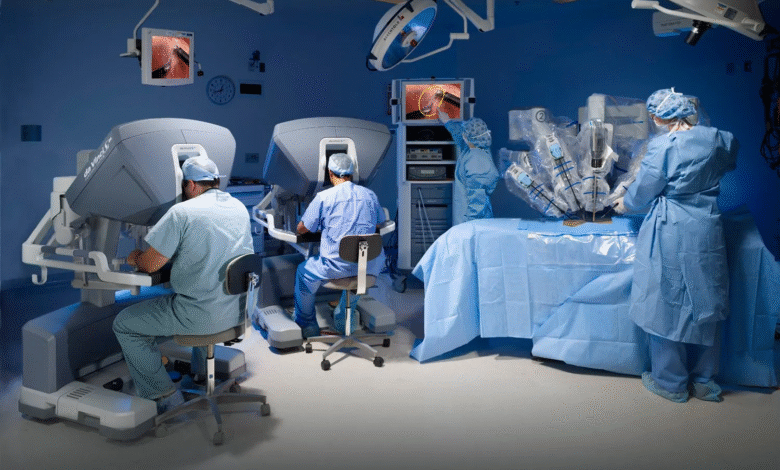

Modern healthcare continues to evolve with advanced medical technologies designed to improve patient outcomes and make surgical procedures safer and more effective. One of the most important innovations in minimally invasive surgery is the da Vinci Surgical System. Known worldwide for its precision and advanced technology, da Vinci robotic surgery has transformed the way surgeons perform many complex procedures.
Today, robotic-assisted surgery is becoming increasingly common in hospitals around the world because it offers smaller incisions, reduced pain, and quicker recovery times compared to many traditional open surgeries.


What Is Da Vinci Robotic Surgery?
Da Vinci robotic surgery is a specialized type of robot-assisted surgery that enhances the surgeon’s precision, flexibility, and control during operations. Although the system uses robotic technology, the robot never acts independently. Every movement is completely controlled by the surgeon in real time.
The da Vinci system improves the dexterity and range of motion of the surgeon’s hands, making it easier to operate in hard-to-reach areas of the body. This advanced technology allows surgeons to perform delicate procedures through very small incisions instead of large cuts used in traditional open surgery.
During the procedure, three or four robotic arms hold tiny surgical instruments and an endoscopic camera. The camera provides a high-definition, magnified 3D view inside the patient’s body, allowing the surgeon to see the surgical area with exceptional clarity.
Because the instruments enter the body through small incisions, patients often experience fewer complications, less pain, and faster recovery after surgery.
History of the Da Vinci Surgical System
The da Vinci Surgical System was named after the famous inventor and artist Leonardo da Vinci, whose studies of human anatomy inspired many medical advancements.
The FDA (U.S. Food and Drug Administration) approved the da Vinci Surgical System for surgical use in July 2000. Since then, it has become one of the leading robotic surgical systems used worldwide.
Healthcare providers across the globe have now performed more than 10 million surgeries using da Vinci robotic technology, and its popularity continues to grow rapidly.
Parts of the Da Vinci Robot
The da Vinci Surgical System consists of three major components that work together during surgery.
Control Center
The surgeon sits at the control center during the operation. A high-definition 3D screen provides a clear view of the surgical site. Using advanced hand controls that resemble highly sophisticated joysticks, the surgeon directs the robotic arms with extreme precision.
Patient Cart
The patient cart remains beside the patient throughout the surgery. It contains the robotic arms and surgical instruments needed for the procedure.
Vision Cart
The vision cart contains the computer hardware and software necessary to operate the robotic system. It also includes an additional monitor so the surgical team can view the procedure in real time.
How Da Vinci Robotic Surgery Works
All da Vinci robotic procedures follow a similar process, although the exact details depend on the type of surgery being performed.
First, the patient receives general anesthesia to ensure they remain asleep and comfortable during the procedure. The surgical team then prepares and positions the robotic system beside the patient.
The surgeon creates several small incisions, depending on the surgical area and procedure type. Tiny surgical instruments and a camera are carefully inserted through these incisions and attached to the robotic arms.
Next, the surgeon moves to the control console and uses the robotic controls to guide the instruments. The robotic arms mimic the surgeon’s hand movements with enhanced precision and flexibility, especially in tight or delicate spaces.
Importantly, the robot only moves when directed by the surgeon. The system does not make decisions or perform actions independently.
After the surgery is complete, the instruments are removed and the small incisions are closed.
Common Procedures Performed with Da Vinci Surgery
Surgeons use da Vinci robotic surgery across many medical specialties. Some common robotic-assisted procedures include:
- Hysterectomy
- Gallbladder removal
- Gastric sleeve surgery
- Mitral valve repair
- Tonsillectomy
- Colostomy
- Polypectomy
- Splenectomy
- Feeding tube placement
- Endometrial ablation
The system is widely used in gynecology, urology, general surgery, bariatric surgery, and cardiothoracic surgery.
However, da Vinci robotic surgery may not be available in every country or hospital. Patients should consult their healthcare providers to determine whether robotic-assisted surgery is suitable for their condition.
Benefits of Da Vinci Robotic Surgery
One reason for the increasing popularity of robotic-assisted surgery is the many potential benefits it offers patients.
Smaller Incisions
Traditional open surgeries often require large incisions, while robotic-assisted surgery uses much smaller cuts. This reduces trauma to the body and minimizes visible scarring.
Less Blood Loss
Patients undergoing robotic surgery frequently experience less bleeding during the procedure.
Reduced Pain
Smaller incisions and less tissue damage usually result in less postoperative discomfort.
Faster Recovery
Many patients recover more quickly after robotic-assisted surgery and can return to normal daily activities sooner.
Lower Risk of Infection
Smaller surgical wounds may reduce the risk of infection and wound complications.
Shorter Hospital Stay
Patients often spend less time in the hospital after minimally invasive robotic procedures.
Disadvantages and Risks
Although da Vinci robotic surgery offers many advantages, there are still some risks and limitations to consider.
Like all surgeries, robotic-assisted procedures carry risks such as:
- Bleeding
- Infection
- Reactions to anesthesia
There are also certain disadvantages associated with robotic surgery.
Longer Operating Time
Some robotic procedures may take longer than traditional surgery, especially when surgeons are still gaining experience with the system.
Higher Cost
Robotic-assisted surgeries can be more expensive because of the advanced technology and specialized equipment involved.
Patients should discuss costs and treatment options with their healthcare provider and hospital billing department before surgery.
Recovery After Da Vinci Surgery
Recovery time varies depending on the patient’s overall health and the type of procedure performed. However, many patients recover faster after robotic-assisted surgery compared to traditional open surgery.
Patients should carefully follow all postoperative instructions and attend follow-up appointments with their healthcare provider.
When to Contact a Doctor
After surgery, patients should contact their healthcare provider if they experience:
- Fever above 100.4°F (38°C)
- Swelling or tenderness around the incision
- Drainage or discoloration at the surgical site
- Excessive bleeding
Emergency medical attention may be necessary if symptoms include:
- Chest pain
- Trouble breathing
- Fainting
- Severe uncontrolled pain
- Heavy bleeding
Conclusion
Liv Hospital continues to support advanced medical technologies that improve surgical precision and patient care. The da Vinci Surgical System has revolutionized minimally invasive surgery by allowing surgeons to perform complex procedures with greater accuracy, flexibility, and control.
With benefits such as smaller incisions, less pain, reduced complications, and quicker recovery times, da Vinci robotic surgery is becoming an increasingly valuable option for patients worldwide. As robotic technology continues to evolve, it is expected to play an even greater role in the future of modern healthcare.