
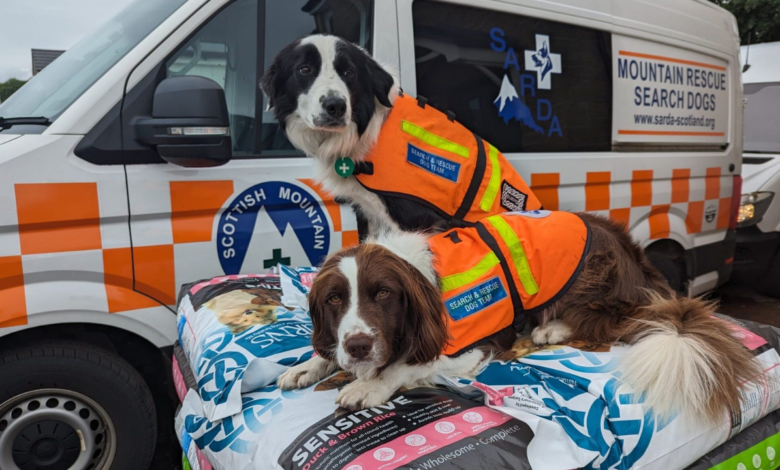
Mountain Rescue Dog: The Courage, Training, and Lifesaving Role of Canine Heroes

A mountain rescue dog is far more than a loyal companion. These highly trained dogs are trusted partners in search and rescue missions, helping emergency teams locate missing hikers, climbers, skiers, and disaster victims in some of the world’s most challenging environments. Whether working through deep snow, rocky trails, dense forests, or steep mountain slopes, these remarkable animals demonstrate intelligence, endurance, and unwavering determination.
People often admire the bravery of rescue teams, but the contribution of a mountain rescue dog deserves equal recognition. Their incredible sense of smell, physical strength, and ability to remain focused under pressure make them invaluable during rescue operations. Every successful mission reflects countless hours of training, a strong partnership with their handler, and an instinctive desire to help. This article explores how these extraordinary dogs work, the skills they develop, and why they continue to save lives around the world.


The Remarkable History of the Mountain Rescue Dog
The history of the mountain rescue dog stretches back many generations. Communities living near mountain ranges quickly realized that certain dogs possessed exceptional abilities for finding people lost in snowstorms or isolated wilderness areas. Over time, these natural talents were developed through organized training, transforming working dogs into highly skilled rescue partners.
Some of the earliest stories involve large breeds assisting travelers trapped by severe weather in the Alps. These dogs were admired for their ability to navigate difficult terrain while remaining calm in dangerous conditions. Their loyalty and determination inspired rescue organizations to build formal training programs that could prepare dogs for increasingly complex search operations.
As rescue techniques evolved, so did the role of these dogs. Modern rescue teams combine advanced equipment, communication technology, and experienced personnel with the extraordinary scenting ability of a mountain rescue dog. Despite technological progress, no machine has fully replaced a dog’s remarkable capacity to locate missing people through scent alone.
Today, mountain rescue organizations across the world continue building on this long tradition. Every new generation of rescue dogs carries forward a legacy of courage, discipline, and lifesaving service that has earned worldwide respect.
What Makes a Mountain Rescue Dog So Effective
The success of a mountain rescue dog begins with its extraordinary sense of smell. Dogs possess millions more scent receptors than humans, allowing them to detect even faint human odors carried by changing wind patterns. This ability enables rescue teams to cover large search areas far more efficiently than people could manage alone.
Unlike electronic devices that depend on batteries or stable weather conditions, a well-trained rescue dog relies on natural instincts supported by careful training. Even when visibility becomes poor due to snow, fog, or darkness, these dogs continue working by following scent rather than sight.
Physical fitness also contributes greatly to their effectiveness. Mountain terrain often includes steep climbs, loose rocks, icy slopes, fallen trees, and narrow pathways. Rescue dogs maintain impressive endurance, allowing them to work for extended periods without losing concentration. Their agility enables them to access areas that may be difficult or dangerous for people.
Equally important is their confidence. Loud helicopter noise, changing weather, unfamiliar environments, and large rescue teams can easily distract ordinary dogs. A professional mountain rescue dog remains calm, focused, and responsive to handler commands even under intense pressure.
Breeds Commonly Chosen for Mountain Rescue Work
Not every breed is naturally suited for mountain rescue duties. Organizations carefully select dogs that demonstrate intelligence, athletic ability, confidence, and a strong desire to work alongside people. While individual personality always matters more than breed alone, several breeds have consistently proven successful in rescue programs.
The German Shepherd is one of the most respected working breeds because of its intelligence, obedience, and physical endurance. These dogs learn complex search patterns quickly while maintaining strong bonds with their handlers. Their versatility allows them to perform well in both mountain and wilderness rescue environments.
Labrador Retrievers are another popular choice due to their friendly temperament, excellent scenting ability, and eagerness to work. Their enthusiasm makes training enjoyable while their determination helps them remain focused during lengthy search operations.
Border Collies also excel because of their remarkable intelligence and high energy levels. Their quick learning ability allows them to master advanced search techniques efficiently. Meanwhile, Golden Retrievers often perform exceptionally well because they combine strong scent detection with calm, dependable personalities.
Some rescue teams also work with Belgian Malinois, Australian Shepherds, and mixed-breed dogs that demonstrate the right balance of physical fitness, confidence, and motivation. Ultimately, the best mountain rescue dog is one whose temperament, health, and dedication match the demanding responsibilities of rescue work.
Training Builds Confidence and Lifesaving Skills
Training begins long before a rescue dog participates in real missions. Young dogs first develop confidence through games, exploration, and positive interactions with their handler. Instead of immediately introducing difficult search exercises, trainers focus on building curiosity, enthusiasm, and trust.
As training progresses, dogs learn to locate hidden people in increasingly challenging environments. Initially, the searches remain simple, allowing the dog to associate finding a person with praise and rewards. Over time, trainers gradually increase the complexity by adding larger search areas, changing weather conditions, varied terrain, and longer search durations.
Handlers also practice communication constantly. Successful rescue work depends on mutual understanding between dog and handler rather than independent action. Every command, signal, and response strengthens this partnership, allowing both to work together smoothly during genuine emergencies.
Training never truly ends. Even experienced rescue dogs continue practicing regularly to maintain their physical conditioning, scenting skills, and confidence. Continuous learning ensures every mountain rescue dog remains prepared for the unpredictable challenges presented by real rescue operations.
Conclusion
The mountain rescue dog represents one of the most inspiring partnerships between humans and animals. Through exceptional intelligence, remarkable scent detection, and unwavering determination, these dogs help locate missing people in some of the world’s most difficult environments. Their work often makes the difference between a successful rescue and a prolonged search, giving families hope during challenging situations.
Every successful rescue mission is the result of careful preparation, continuous training, and complete trust between the dog and its handler. Together, they navigate steep mountains, dense forests, deep snow, and unpredictable weather while remaining focused on a single goal: finding those in need. This teamwork highlights the incredible bond that develops through years of practice and shared experience.
The dedication shown by every mountain rescue dog extends beyond physical ability. These dogs demonstrate courage, loyalty, and resilience in conditions that demand both mental and physical strength. Rescue organizations continue investing countless hours in training because they recognize the unique value these canine heroes bring to emergency operations.
As outdoor recreation continues to grow, the importance of skilled mountain rescue teams becomes even greater. Their commitment to protecting lives reminds us that behind every successful search is a combination of human expertise, advanced planning, and the extraordinary abilities of highly trained rescue dogs. Their legacy of service continues to inspire communities around the world.
FAQs
What is a mountain rescue dog?
A mountain rescue dog is a specially trained working dog that helps search and rescue teams locate missing or injured people in mountainous regions, forests, snowy landscapes, and other challenging environments. These dogs rely primarily on their exceptional sense of smell to find human scent.
Which dog breeds are commonly used for mountain rescue work?
Several breeds perform well in mountain rescue operations, including German Shepherds, Labrador Retrievers, Golden Retrievers, Belgian Malinois, Border Collies, and other dogs with strong scenting ability, intelligence, endurance, and a willingness to work closely with handlers.
How are mountain rescue dogs trained?
Training begins when dogs are young and focuses on obedience, confidence, scent detection, agility, and teamwork with their handlers. As their skills improve, they practice realistic search scenarios in different weather conditions and terrain until they are ready for real rescue missions.
Can mountain rescue dogs work in snowy conditions?
Yes. Mountain rescue dogs are trained to search in snow, ice, cold temperatures, and poor visibility. Many rescue teams depend on them during avalanches and winter emergencies because they can detect human scent beneath snow and across difficult terrain.
How long does a mountain rescue dog remain in active service?
The length of active service depends on the dog’s health, fitness, and overall performance. Many rescue dogs work for several years before retiring. After retirement, they usually enjoy a comfortable life with their handlers or adoptive families.
What qualities make a successful mountain rescue dog?
A successful mountain rescue dog combines intelligence, physical endurance, confidence, strong scenting ability, obedience, adaptability, and a close working relationship with its handler. These qualities allow the dog to perform effectively in demanding rescue situations.
Why are mountain rescue dogs still important despite modern technology?
Although drones, GPS devices, and thermal imaging cameras have improved rescue operations, they cannot fully replace a dog’s remarkable scent detection abilities. A well-trained mountain rescue dog can often locate people in areas where technology alone may be limited, making these dogs an essential part of many search and rescue teams.