Free Forms Hair: A Complete Guide to Natural and Unique Hairstyles
Free forms hair is a beautiful and natural way to wear your hair. Many people today choose free forms hair because it allows their hair to grow and shape itself without strict styling rules. This hairstyle celebrates natural beauty, personal freedom, and individuality. Instead of forcing hair into a fixed pattern, free forms hair grows naturally and forms its own unique texture and look.
In recent years, free forms hair has become popular among people who want a simple, healthy, and expressive hairstyle. It requires patience, care, and confidence. The result is a hairstyle that truly reflects who you are.


This guide will explain everything you need to know about free forms hair, including its meaning, benefits, care tips, and common myths. By the end of this article, you will understand how free forms hair works and why so many people love it.
Understanding Free Forms Hair
Free forms hair refers to hair that is allowed to grow naturally with little or no manipulation. Instead of combing or twisting hair into neat sections, people let their hair form its own patterns over time.
Many people associate free forms hair with natural dreadlocks, but the process is different from traditional locs. Traditional locs are usually started with twisting, braiding, or palm rolling. Free forms hair develops without these methods.
In simple words, the hair is left mostly untouched so it can grow and lock naturally.
Key features of free forms hair include:
- Natural hair growth without forced styling
- Unique shapes and patterns
- Minimal manipulation
- A strong connection to natural hair texture
Because each person’s hair is different, no two free forms hair styles look the same.
The History and Cultural Meaning of Free Forms Hair
Free forms hair has deep cultural roots. Natural hairstyles have existed for thousands of years in different parts of the world. In many African cultures, natural hair and locs were symbols of identity, spirituality, and strength.
Over time, people began embracing free forms hair as a form of self-expression and freedom. It became popular among individuals who wanted to celebrate their natural hair texture without trying to change it.
Today, free forms hair represents:
- Pride in natural beauty
- Cultural identity
- Personal freedom
- Confidence and authenticity
Many people see it as more than a hairstyle. It can also be a lifestyle and a statement about accepting oneself.
How Free Forms Hair Develops Naturally
The process of developing free forms hair takes time and patience. Hair naturally tangles and coils when it is not combed frequently. Over time, these tangles begin to form larger sections or locs.
Here is how the process usually happens:
Early Stage
- Hair begins to tangle and clump together.
- Small sections may start forming naturally.
- The hair may look uneven or messy.
Middle Stage
- Sections become stronger and more defined.
- The hair begins to lock together.
- Texture becomes thicker.
Mature Stage
- The locs become fully formed.
- Hair grows longer and stronger.
- Each loc develops its own unique shape.
This natural journey can take several months or even years. Patience is important during this stage.
Benefits of Choosing Free Forms Hair
Many people choose free forms hair because it offers several advantages. It supports healthy hair growth and reduces the need for constant styling.
Some of the major benefits include:
Natural Hair Health
Free forms hair avoids heavy styling and chemical treatments. This helps protect the hair from damage.
Low Maintenance
Once the hair begins forming naturally, it requires less daily styling.
Unique Appearance
Every person’s free forms hair looks different. It creates a style that is completely unique.
Self-Expression
This hairstyle allows people to express their natural identity and personality.
Time Saving
Without frequent combing or styling, many people save time in their daily routine.
Because of these benefits, many individuals see free forms hair as both practical and meaningful.
Common Types of Free Forms Hair
Even though free forms hair grows naturally, it can appear in different forms depending on hair texture and care methods.
Below is a simple table showing common types of free forms hair.
| Type of Free Forms Hair | Description | Appearance |
|---|---|---|
| Loose Free Forms | Hair grows with minimal separation | Soft and natural |
| Thick Free Forms | Hair clumps into large locs | Bold and strong |
| Semi-Free Forms | Some sections are gently separated | Balanced look |
| Organic Free Forms | Hair is left completely untouched | Very natural shape |
Each style develops based on the person’s hair type and daily routine.
How to Start Free Forms Hair
Starting free forms hair is simple, but it requires commitment. The most important step is to allow the hair to grow naturally.
Here are the basic steps:
Stop Frequent Combing
Combing separates hair strands. To start free forms hair, reduce combing so the hair can naturally clump together.
Wash Hair Regularly
Clean hair is important for healthy growth. Use a gentle shampoo to keep the scalp fresh.
Avoid Heavy Products
Too many styling products can prevent natural locking. Light oils are usually enough.
Be Patient
The early stages may look messy, but over time the hair forms beautiful natural locs.
Protect Hair While Sleeping
Using a satin or silk scarf can protect hair from friction during sleep.
With consistency and care, the hair will begin forming its natural patterns.
Caring for Free Forms Hair
Even though free forms hair is natural and low maintenance, it still needs proper care. Healthy hair starts with a healthy scalp.
Important care tips include:
- Wash hair every one to two weeks
- Use natural oils like coconut oil or olive oil
- Keep the scalp clean and moisturized
- Avoid excessive pulling or twisting
- Protect hair from harsh weather
Healthy habits help free forms hair stay strong, shiny, and beautiful.
Common Myths About Free Forms Hair
There are many misunderstandings about free forms hair. Let’s clear up some of the most common myths.
Myth: Free forms hair is dirty
Truth: Cleanliness depends on hygiene. People with free forms hair still wash and care for their hair regularly.
Myth: Free forms hair cannot be styled
Truth: Many people style their free forms hair in creative ways like buns, ponytails, or wraps.
Myth: Only certain people can wear free forms hair
Truth: Anyone with textured or curly hair can explore free forms hair.
Myth: Free forms hair grows slowly
Truth: Hair growth depends on health and genetics, not the hairstyle.
Understanding these facts helps people appreciate the beauty of free forms hair.
Challenges You Might Face With Free Forms Hair
Like any hairstyle, free forms hair comes with a few challenges.
Some people may experience:
- Slow development in the early stages
- Uneven sections of hair
- Questions or criticism from others
- Difficulty adjusting to the natural look
However, these challenges usually becme easier with time. Many people find that patience and confidence help them enjoy the journey.
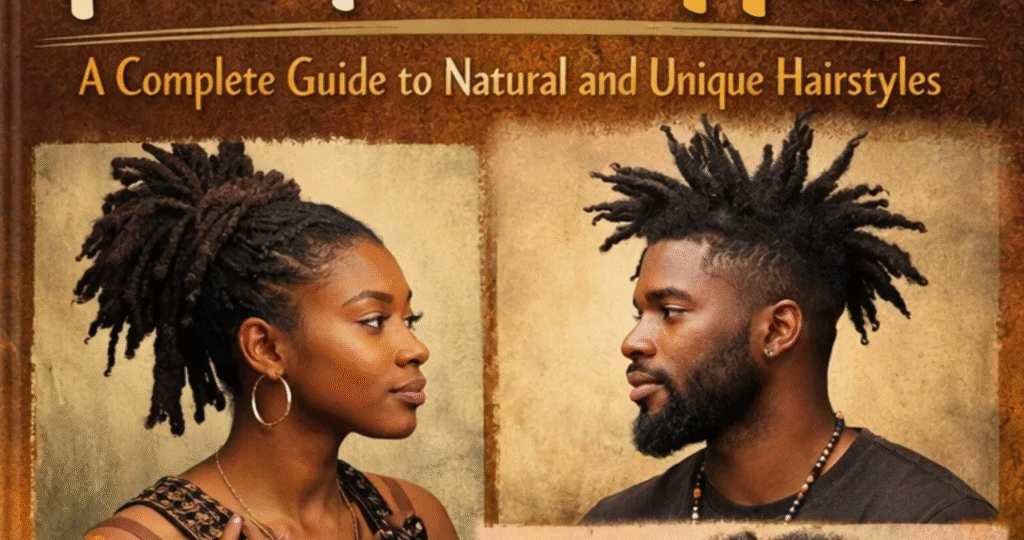
Styling Ideas for Free Forms Hair
Even though free forms hair grows naturally, you can still style it in simple ways.
Popular styling ideas include:
- High buns
- Loose ponytails
- Head wraps
- Decorative beads
- Scarves and hair accessories
These styles can enhance the beauty of free forms hair without disturbing its natural growth.
Why Free Forms Hair Celebrates Natural Beauty
One of the most powerful aspects of free forms hair is how it celebrates natural beauty. Instead of changing hair texture, this style encourages people to embrace their authentic look.
Free forms hair teaches patience and self-acceptance. It reminds us that beauty does not always need strict rules or perfect shapes. Sometimes the most beautiful things grow naturally.
For many people, this hairstyle becomes a journey of self-confidence and personal growth.
Final Thoughts on Free Forms Hair
Free forms hair is more than just a hairstyle. It is a natural, expressive, and empowering way to wear your hair. By allowing hair to grow freely, people celebrate their natural texture and unique identity.
This hairstyle offers many benefits, including low maintenance, healthy hair growth, and a truly one-of-a-kind appearance. While the process takes time and patience, the results can be incredibly rewarding.
In the end, free forms hair shows that natural beauty does not need to be controlled or forced. Sometimes the best thing we can do is simply let nature take its course and watch something amazing grow.
You may also read
Remote Work Setup: A Complete Guide to Building a Productive Home Workspace