
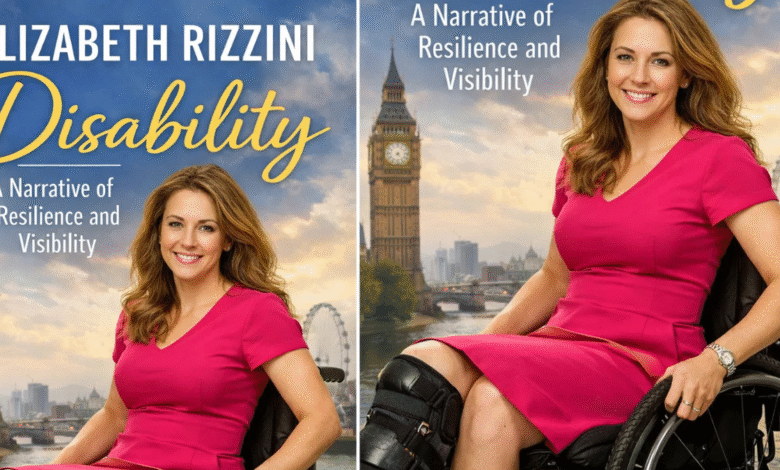
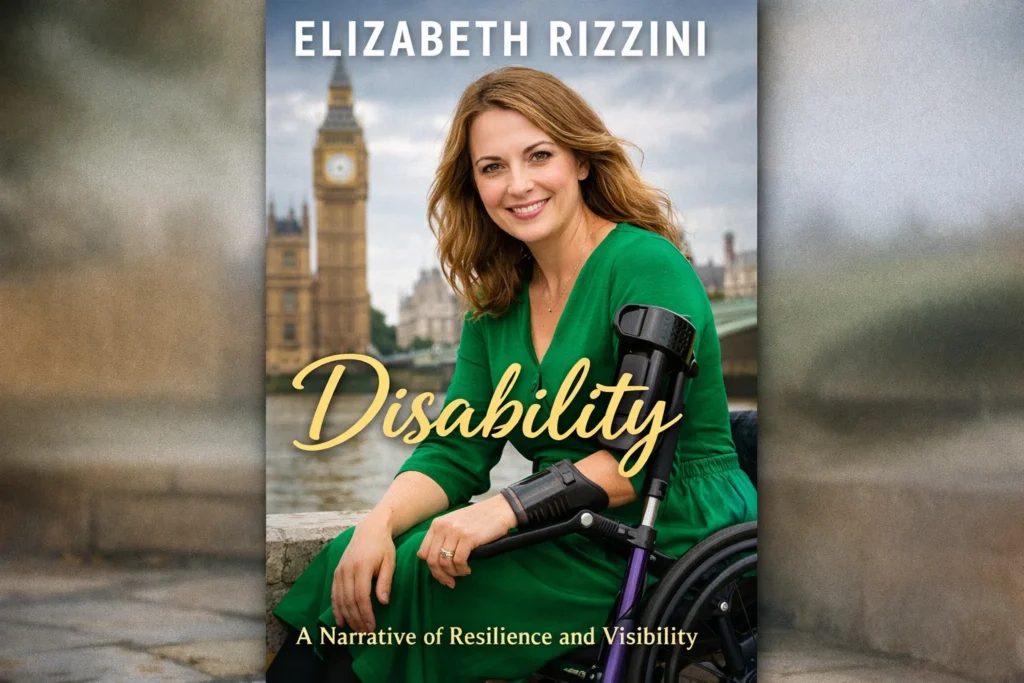
Elizabeth Rizzini Disability: A Narrative of Resilience and Visibility
Elizabeth Rizzini Disability The story of Elizabeth Rizzini’s disability transcends a simple medical diagnosis. For millions who know her as the warm, familiar face of QVC UK, her public journey has become a profound lesson in adaptation, courage, and redefining life’s possibilities amidst chronic pain. While her career has been built on connecting with audiences through the screen, her openness about her health struggles has forged a different,


deeper kind of connection one rooted in shared human vulnerability and strength. This article delves into the full scope of Elizabeth Rizzini’s experience, exploring the nature of her condition, its impact on her personal and professional life, and the significant platform for awareness she has built. Understanding Elizabeth Rizzini’s disability is not about focusing on limitations, but about illuminating a path of resilience that resonates with anyone facing unforeseen challenges.
Her narrative shifts the public conversation from mere curiosity about a presenter’s absence to a meaningful discussion on invisible illness, workplace adaptation, and the power of maintaining one’s spirit. By choosing visibility over secrecy, Rizzini has used her public profile to shed light on the often-misunderstood world of chronic pain, offering both solace and representation to a vast, often silent community. This exploration aims to honor that contribution by providing a comprehensive, authoritative look at her journey, the medical complexities involved, and the broader societal implications of her advocacy.
Elizabeth Rizzini Disability: The Onset and Diagnosis of a Life-Altering Condition
Elizabeth Rizzini’s life changed course following a seemingly routine surgical procedure. What was anticipated as a straightforward recovery spiraled into an ongoing battle with relentless and severe pain, a path familiar to many who develop post-surgical complications. The initial expectation of healing gave way to confusion and frustration as pain not only persisted but intensified, spreading beyond the original surgical site. This period marked the beginning of a lengthy and challenging quest for answers, navigating a medical landscape where her symptoms did not conform to typical post-operative timelines.
After extensive consultations and evaluations, Rizzini was diagnosed with Complex Regional Pain Syndrome (CRPS), specifically Type II, as it was triggered by a confirmed nerve injury during surgery. CRPS is a poorly understood neurological disorder characterized by prolonged, excessive pain that is disproportionate to the initial injury. The diagnosis provided a name for her suffering but also inaugurated a new reality. It framed Elizabeth Rizzini’s disability not as a temporary setback but as a chronic condition requiring a complete re-evaluation of daily life, career, and personal identity, setting the stage for a years-long journey of management and adaptation.
Understanding Complex Regional Pain Syndrome (CRPS)
Complex Regional Pain Syndrome is considered one of the most painful conditions known to medicine, often scoring higher on pain scales than childbirth or amputation. It is a multifactorial disorder believed to involve malfunctioning peripheral and central nervous systems, leading to amplified pain signals, autonomic dysfunction, and neuro-inflammatory responses. The classic presentation includes persistent burning or throbbing pain, pathological changes in skin color and temperature, abnormal sweating, and hypersensitivity to touch—a condition known as allodynia, where even a light breeze or clothing can cause agony. For Elizabeth Rizzini, the CRPS diagnosis explained the debilitating sensations that dictated her new normal.
The condition is notoriously difficult to treat, with no single cure, making management a highly individualized and often experimental process. Treatment paradigms are typically multimodal, combining pharmacological interventions like nerve-blocking medications and antidepressants with intense physical rehabilitation, psychological support, and emerging therapies like graded motor imagery. The trajectory of CRPS is unpredictable; some experience remission, while others face a lifelong, fluctuating battle. This complexity underscores the profound challenge Rizzini embraced, making her public management of the condition a source of insight for many.
The Professional Impact on a Broadcasting Career
For a television presenter whose profession is built on presence, energy, and live interaction, the implications of a debilitating chronic pain condition are particularly profound. Elizabeth Rizzini’s role at QVC requires long hours on set, sustained engagement, and a consistent, upbeat demeanor—all of which are directly antagonized by the symptoms of CRPS. The physical demand of standing for extended periods, the sensory overload of studio lights, and the unavoidable stress of live broadcasting created a significant conflict between her career passion and her health necessities. Navigating this conflict became a central part of her professional narrative.
In response, both Rizzini and QVC demonstrated a modern approach to workplace accommodation for chronic illness. Her schedule was adapted, likely allowing for more flexible shooting days and ample rest periods between segments. The nature of her on-screen work may have been subtly modified to reduce physical strain. This adaptation is a critical case study in how a high-profile, performance-based career can evolve to support an employee with a significant disability. It highlights that retention and value are not only possible but can be enhanced through empathy and flexibility, preserving the talents of an experienced presenter while respecting her health limits.
Public Disclosure and the Power of Advocacy
Elizabeth Rizzini’s decision to speak publicly about her CRPS diagnosis transformed a personal health struggle into a powerful platform for advocacy. By detailing her experiences with Elizabeth Rizzini’s disability in interviews and on social media, she pulled back the curtain on the reality of living with an invisible, chronic condition. This transparency served multiple purposes: it educated the public on the realities of CRPS, preempted speculation about her occasional absences from screens, and, most importantly, created a beacon of solidarity for others in similar pain. Her voice added a recognizable face to a condition that many struggle to explain to friends, family, and employers.
Her advocacy extends beyond mere awareness into the realm of emotional support and community building. In sharing her lows and her small victories, Rizzini normalizes the conversation around chronic pain and mental health struggles that accompany it. She challenges the stigma that often silences those with invisible disabilities, proving that strength is not about hiding struggle but about enduring it openly. This public stance has undoubtedly encouraged countless viewers and followers to seek help, be kinder to themselves, and feel less alone in their own journeys, cementing her role not just as a presenter but as a compassionate community figure.
The Daily Reality of Managing Chronic Pain
The daily management of CRPS is a relentless, full-time endeavor that operates largely behind the scenes. For Elizabeth Rizzini, each day involves a carefully calculated balance of medication schedules, physiotherapy exercises, pain management techniques, and rigorous energy conservation. Simple acts of daily living—getting dressed, preparing a meal, or commuting—require forethought and can exact a high physical cost. This constant negotiation between activity and rest, between pushing for normalcy and respecting the body’s signals, forms the unseen backdrop to her public appearances. It is a life of meticulous planning where spontaneity is often the first casualty.
Psychological resilience is as crucial as physical management. Chronic pain is intrinsically linked to mental health, with conditions like anxiety and depression being common co-travelers. Rizzini has alluded to the psychological toll, including the grief for her former, pain-free life and the frustration of physical limitations. Her management, therefore, necessarily incorporates psychological strategies such as mindfulness, cognitive behavioral techniques, and therapy. This holistic approach underscores that living well with a condition like CRPS is not about defeating pain, but about building a life of value around it, a lesson her journey exemplifies.
Support Systems and Personal Resilience
The role of a robust support system in managing a condition like CRPS cannot be overstated. For Elizabeth Rizzini, this network likely includes her family, close friends, understanding colleagues at QVC, and her medical team. Emotional support provides a buffer against the isolation chronic illness can impose, while practical help with daily tasks conserves precious energy. The understanding and flexibility offered by her employer, as previously mentioned, constitute a professional support pillar that is invaluable. This ecosystem of care enables her to continue her career and public life, demonstrating that resilience is seldom a solitary endeavor.
Her personal resilience, however, remains the cornerstone. It is evidenced in her decision to return to work, to share her story, and to find moments of joy and purpose despite pain. This resilience is not an innate superpower but a cultivated mindset, built through small, daily choices to engage with life. It involves embracing adaptability, practicing self-compassion on difficult days, and defining success on new terms. Rizzini’s journey reframes resilience not as an absence of struggle, but as the ongoing process of moving forward within its constraints, a narrative that inspires far beyond the context of disability.
Medical and Therapeutic Interventions Explored
The treatment landscape for CRPS is diverse and constantly evolving, reflecting the condition’s complexity. Elizabeth Rizzini’s management plan is private, but it would align with standard multidisciplinary approaches. These typically begin with pharmacological strategies: anti-inflammatory drugs, neuropathic pain agents like gabapentin or pregabalin, and sometimes low-dose antidepressants or ketamine infusions for refractory pain. Interventional procedures, such as sympathetic nerve blocks or spinal cord stimulation, are also common considerations aimed at disrupting faulty pain signals. The goal is never a complete cure but rather functional improvement and pain reduction.
Alongside medical interventions, physical and occupational therapy are fundamental. For CRPS, movement is essential but paradoxically painful; specialized therapy focuses on gentle, graded mobilization to combat dystrophy and maintain function. Psychological therapies, including Cognitive Behavioral Therapy (CBT) and Acceptance and Commitment Therapy (ACT), are integral for coping with the emotional burden. Many patients also explore complementary approaches like acupuncture, meditation, or hydrotherapy. As one pain specialist notes, “Managing CRPS is like conducting an orchestra; every instrument—medical, physical, psychological—must play in harmony to create the best possible quality of life.” This multimodal symphony is the reality of care for Rizzini and thousands like her.
Invisible Disability and Public Perception
Elizabeth Rizzini’s experience brings into sharp focus the challenges of living with an “invisible disability.” On television, she appears professional, polished, and engaged—there are no visible signs of the intense pain she may be managing in that moment. This dissonance between appearance and reality can lead to public misunderstanding or even skepticism, a common plight for those with non-visible conditions. Her choice to be open about her struggles actively combats this, educating viewers on the fact that disability and chronic illness do not always conform to visible stereotypes. It challenges the assumption that someone who “looks well” must feel well.
This public education has a ripple effect. By normalizing the conversation around invisible disability, she helps shift societal perceptions. It encourages empathy over judgment and underscores that accessibility needs are not always apparent. Her visibility prompts a broader consideration of how workplaces and public spaces are designed, advocating for flexibility and understanding that benefits a wide range of people, not just those with visible impairments. In this way, the discussion around Elizabeth Rizzini’s disability contributes to a more inclusive cultural dialogue.
A Comparative View: CRPS Among Other Chronic Pain Conditions
To fully grasp the severity and uniqueness of Elizabeth Rizzini’s condition, it is helpful to contextualize CRPS within the wider spectrum of chronic pain disorders. The following table illustrates key differentiating factors.
| Condition | Primary Characteristic | Typical Pain Description | Key Differentiators from CRPS |
|---|---|---|---|
| Complex Regional Pain Syndrome (CRPS) | Neurological dysfunction post-injury. | Burning, throbbing, “pins and needles,” often disproportionate and spreading. | Autonomic changes (skin color/temp), allodynia, dystrophy, specific to a limb. |
| Fibromyalgia | Centralized pain sensitization. | Widespread musculoskeletal ache, often described as a constant dull ache. | Tender points, fatigue, sleep issues, no autonomic changes or specific trauma link. |
| Chronic Migraine | Neurological disorder with severe headaches. | Intense, pulsating head pain, often one-sided. | Associated with aura, nausea, light/sound sensitivity, localized to head. |
| Arthritis (e.g., Rheumatoid) | Autoimmune inflammatory joint disease. | Deep, aching joint pain with stiffness and swelling. | Visible joint inflammation, positive blood markers, symmetrical pattern. |
| Neuropathic Pain (e.g., from Diabetes) | Nerve damage from an underlying condition. | Shooting, burning, or electric shock-like sensations. | Linked to a systemic disease, follows a nerve distribution, lacks autonomic signs. |
This comparison highlights why CRPS is considered exceptionally severe. While all chronic pain is debilitating, CRPS’s combination of autonomic nervous system involvement, skin and bone changes, and its potential to spread sets it apart. It underscores the particular intensity of the challenge Rizzini faces, making her ability to maintain a public-facing career all the more remarkable.
The Role of Media in Shaping Disability Narratives
Elizabeth Rizzini occupies a unique position at the intersection of media, commerce, and disability advocacy. As a prominent figure on a major shopping channel, her continued presence normalizes disability in a mainstream, non-medicalized context. She is not a subject of a documentary about illness; she is a professional presenting products, engaging with guests, and doing her job—all while being publicly known as someone with a significant chronic condition. This mundane normalcy is itself revolutionary, integrating the reality of disability into everyday entertainment and consumer life.
This representation matters profoundly. It moves the needle from inspiration-centric storytelling—which can objectify disabled people as mere motivators for the able-bodied—toward a model of integrated representation. She is not defined by her CRPS on screen, but it is acknowledged as part of her life. This balanced portrayal helps dismantle unconscious biases and expands the public’s understanding of what a disabled person can look like and achieve, fostering a media landscape that is gradually becoming more reflective of true human diversity.
Looking Forward: Life, Career, and Ongoing Adaptation
The future for anyone with a chronic, fluctuating condition like CRPS is inherently uncertain. For Elizabeth Rizzini, forward momentum lies in continued adaptation and listening to her body’s needs. Her career may continue to evolve in form—perhaps involving more pre-recorded segments, tailored presenting roles, or even branching into advocacy or mentoring work related to chronic illness and disability inclusion. The core of her professional identity—connection, communication, and warmth—remains intact, even if its delivery mechanism requires innovation. This adaptive mindset is the key to sustainability.
On a personal level, the journey involves ongoing management, hoping for medical advances, and deepening the life built around wellness rather than in opposition to pain. Her story suggests a future where she continues to balance public life with private health, serving as a stable and hopeful figure for others. The narrative of Elizabeth Rizzini’s disability is, ultimately, unfinished and actively being written—a testament to living with courage and purpose one day at a time, and in doing so, lighting a path for others to follow.
Conclusion
The exploration of Elizabeth Rizzini’s disability reveals a narrative far richer than a medical case study. It is a human story of profound disruption, relentless challenge, and graceful adaptation. Her journey with Complex Regional Pain Syndrome has reshaped her life and, through her transparency, impacted public understanding of invisible chronic illness. She has demonstrated that a diagnosis can become a platform for advocacy, that professional life can be redesigned with empathy, and that resilience is found in the daily choice to engage with life despite pain. The conversation around Elizabeth Rizzini’s disability serves as a powerful reminder of the strength inherent in vulnerability and the importance of inclusive representation in all spheres of public life.
Her legacy, thus far, is one of visibility and voice. By choosing to share her struggle, she has lessened the isolation for countless individuals and contributed to a broader cultural shift toward understanding chronic pain and invisible disability. Elizabeth Rizzini’s story continues to inspire not because she overcomes her condition in a conventional sense, but because she meets it with unwavering dignity, reshapes her world around it, and in doing so, expands our collective perception of ability, perseverance, and what it means to live a full and impactful life.
Frequently Asked Questions
What specific condition does Elizabeth Rizzini have?
Elizabeth Rizzini has been diagnosed with Complex Regional Pain Syndrome (CRPS) Type II. This is a chronic neurological pain condition that developed following nerve damage during a surgical procedure. It is characterized by severe, prolonged pain that is disproportionate to the original injury, along with autonomic nervous system dysfunction.
How has Elizabeth Rizzini’s disability affected her QVC presenting role?
Her condition has necessitated significant adaptations to her role at QVC. She likely works a more flexible schedule with ample rest periods, and the physical demands of her presenting duties have been thoughtfully modified. This collaboration with her employer is a prime example of successful workplace accommodation, allowing her to continue her career while managing her health.
What is the long-term prognosis for someone with CRPS?
The prognosis for CRPS varies widely. Some individuals experience remission, while others have symptoms that persist for years or a lifetime, often with a fluctuating course. Management focuses on pain control, preserving function, and improving quality of life rather than achieving a definitive cure. Elizabeth Rizzini’s ongoing journey reflects this long-term management reality.
Why is Elizabeth Rizzini’s story important for disability awareness?
Her story is crucial because it brings mainstream visibility to an invisible and misunderstood chronic pain condition. By publicly managing Elizabeth Rizzini’s disability, she educates the public, challenges stereotypes, and provides representation and solidarity for a large community of people who live with similar unseen challenges.
How can the public support awareness for conditions like CRPS?
The public can support awareness by listening to and believing the experiences of those with invisible disabilities, educating themselves about conditions like CRPS, and advocating for inclusive policies in workplaces and healthcare. Supporting charities dedicated to chronic pain research and sharing respectful, accurate stories like Rizzini’s also contributes to greater understanding.
You may also read
Lee Juggernauth Partner: Decoding the Architecture of High-Impact Business Alliances