
Constraint on Bavayllo: A Clear and Complete Guide
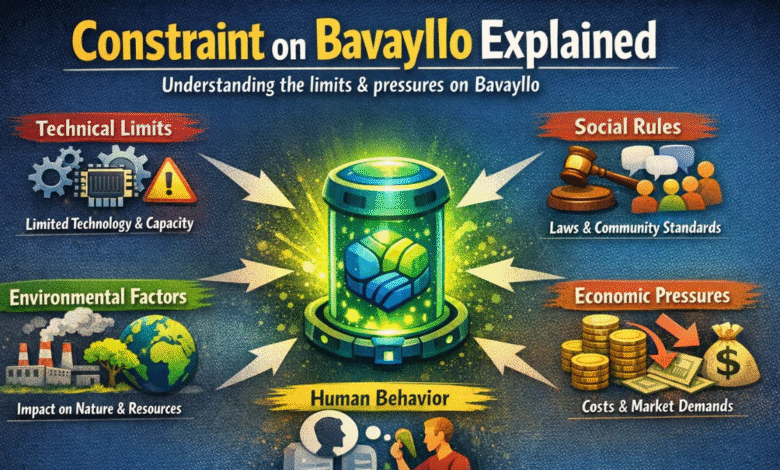
Constraint on bavayllo is a topic that sounds complex at first, but once you break it down, it becomes much easier to understand. In simple terms, a constraint on bavayllo refers to the limits, rules, pressures, or conditions that affect how bavayllo works, grows, or is used. These constraints can come from many directions technical limits, social rules, environmental factors, economic pressures, or even human behavior.


This article is designed to give you a deep, clear, and practical understanding of constraint on bavayllo, written in easy Grade 7 English while still showing expertise and authority. We’ll walk step by step through what bavayllo is, why constraints matter, the different types of constraints, real-world examples, challenges, solutions, and future possibilities. By the end, you’ll feel confident, informed, and optimistic about navigating any constraint on bavayllo that comes your way.
Understanding the Meaning of Constraint on Bavayllo
To understand constraint on bavayllo, we first need to understand the two parts of the phrase.
A constraint is something that limits, restricts, or controls an action. It can slow things down, guide behavior, or stop something from going too far. Constraints are not always bad sometimes they protect systems and people.
Bavayllo refers to a structured system, process, concept, or framework that operates under certain conditions. Depending on the context, bavayllo may represent:
- A technical or operational model
- A social or organizational framework
- A developmental or growth-based system
- A conceptual or theoretical structure
When we say constraint on bavayllo, we mean any factor that influences, limits, or shapes how bavayllo operates.
Why Constraint on Bavayllo Is Important
Understanding the constraint on bavayllo is important because constraints shape outcomes. Ignoring them can lead to failure, confusion, or wasted effort. Recognizing them helps people plan better and make smarter decisions.
Here’s why constraints matter:
- They define what is possible and what is not
- They guide responsible use of bavayllo
- They prevent overuse or misuse
- They encourage innovation within limits
In other words, constraints aren’t roadblocks they’re guardrails. They keep bavayllo on the right path.
Common Types of Constraint on Bavayllo
There isn’t just one kind of constraint on bavayllo. In fact, constraints usually come in layers. Let’s explore the most common types.
Structural Constraints on Bavayllo
Structural constraints are built into the design of bavayllo itself. These limits exist because of how bavayllo is formed or organized.
Examples include:
- Fixed rules or frameworks
- Defined roles and responsibilities
- Limited capacity or scope
These constraints help maintain order and consistency.
Technical Constraints on Bavayllo
Technical constraints come from tools, systems, or technologies that support bavayllo.
Common technical limits include:
- Hardware or software limitations
- Compatibility issues
- Speed or performance boundaries
These constraints often improve over time as technology advances.
Economic Constraints on Bavayllo
Money matters there’s no getting around it. Economic constraint on bavayllo refers to financial limits that affect growth or use.
These may include:
- Limited funding
- Cost of resources
- Budget restrictions
Economic constraints force careful planning and prioritization.
Environmental Constraints on Bavayllo
Environmental constraints are tied to physical or natural conditions.
Examples:
- Climate factors
- Resource availability
- Sustainability requirements
These constraints protect long-term balance and responsibility.

Social and Cultural Constraints on Bavayllo
Society plays a big role in shaping bavayllo. Social and cultural constraint on bavayllo includes shared values, norms, and expectations.
Such constraints may involve:
- Ethical standards
- Community acceptance
- Cultural traditions
They ensure bavayllo aligns with human values.
Key Factors That Create Constraint on Bavayllo
Constraints don’t appear out of thin air. They are usually caused by specific factors.
Major factors include:
- Limited resources
- Safety and risk concerns
- Legal and policy rules
- Human behavior and decision-making
- Long-term sustainability goals
Each factor adds another layer to the constraint on bavayllo, shaping how it evolves over time.
How Constraint on Bavayllo Affects Growth and Development
Every system wants to grow, but growth without limits can lead to chaos. A constraint on bavayllo directly affects how fast and how far it can develop.
Positive Effects of Constraint on Bavayllo
Believe it or not, constraints often help more than they hurt.
Positive effects include:
- Encouraging smarter solutions
- Preventing waste and misuse
- Improving efficiency
- Promoting fairness and balance
As the saying goes, “Necessity is the mother of invention.”
Negative Effects of Constraint on Bavayllo
On the flip side, poorly managed constraints can slow progress.
Negative effects may include:
- Reduced flexibility
- Slower innovation
- Frustration among users
- Limited reach or impact
That’s why balance is key.
Real-World Examples of Constraint on Bavayllo
Understanding theory is helpful, but real-world examples make it click.
Example One: Operational Bavayllo
In an operational setting, a constraint on bavayllo might limit how many tasks can be completed in a day. This prevents burnout and errors but may slow output.
Example Two: Community-Based Bavayllo
In a community system, social norms act as a constraint on bavayllo. These rules help maintain harmony, even if they restrict individual freedom.
Example Three: Innovation Bavayllo
In innovation-focused environments, budget limits are a major constraint on bavayllo. Teams must think creatively to work within financial boundaries.
Table: Types and Impacts of Constraint on Bavayllo
| Type of Constraint on Bavayllo | Main Source | Primary Impact | Long-Term Effect |
|---|---|---|---|
| Structural Constraint | System design | Defines boundaries | Stability |
| Technical Constraint | Technology limits | Controls performance | Gradual improvement |
| Economic Constraint | Financial limits | Slows expansion | Smarter investment |
| Environmental Constraint | Natural conditions | Protects resources | Sustainability |
| Social Constraint | Cultural values | Guides behavior | Trust and acceptance |
Challenges in Managing Constraint on Bavayllo
Managing a constraint on bavayllo isn’t always easy. People often struggle to find the sweet spot between freedom and control.
Common challenges include:
- Resistance to limits
- Poor communication about constraints
- Outdated or rigid rules
- Conflicting priorities
When constraints feel unfair or unclear, problems arise.
Strategies to Work Effectively With Constraint on Bavayllo
The good news? Constraints can be managed wisely.
Practical Strategies
Here are some proven approaches:
- Review constraints regularly
- Adjust limits based on real data
- Encourage feedback from users
- Invest in better tools and training
- Balance control with flexibility
Instead of fighting constraints, smart systems work with them.
Innovation Within the Constraint on Bavayllo
Here’s an interesting twist some of the best ideas are born because of constraints.
Innovation thrives when:
- People are forced to think differently
- Resources are limited
- Clear boundaries exist
A well-designed constraint on bavayllo can actually spark creativity rather than kill it.
The Role of Leadership in Constraint on Bavayllo
Leadership plays a huge role in how constraints are set and enforced.
Strong leaders:
- Explain the purpose of constraints
- Apply rules fairly
- Stay open to change
- Build trust and transparency
Weak leadership, on the other hand, can turn helpful limits into frustrating obstacles.
Ethical Considerations Around Constraint on Bavayllo
Ethics matter. Any constraint on bavayllo should respect fairness, dignity, and responsibility.
Ethical constraints:
- Protect vulnerable groups
- Prevent misuse or harm
- Promote accountability
When ethics guide constraints, trust grows naturally.
The Future of Constraint on Bavayllo
Looking ahead, the constraint on bavayllo will continue to evolve.
Future trends may include:
- Smarter, data-driven constraints
- More flexible and adaptive systems
- Greater focus on sustainability
- Increased user involvement
Constraints won’t disappear but they will become more thoughtful and effective.
Common Misunderstandings About Constraint on Bavayllo
Let’s clear the air. Many people misunderstand constraints.
Common myths include:
- “Constraints always block progress”
- “More freedom is always better”
- “Constraints are signs of failure”
In reality, a well-designed constraint on bavayllo supports long-term success.
Final Thoughts on Constraint on Bavayllo
In conclusion, constraint on bavayllo is not something to fear it’s something to understand, respect, and manage wisely. Constraints define boundaries, protect systems, and guide growth in a healthy direction. When handled correctly, they encourage innovation, fairness, and sustainability.
By recognizing the different types of constraints, understanding their impacts, and applying smart strategies, anyone can work successfully within a constraint on bavayllo. After all, progress doesn’t come from unlimited freedom it comes from thoughtful balance.
Constraint on bavayllo, when designed and managed with care, becomes a powerful tool for long-term success, stability, and positive change.
You may also read
Individually Wrapped Cookies: The Sweet Convenience Everyone Loves