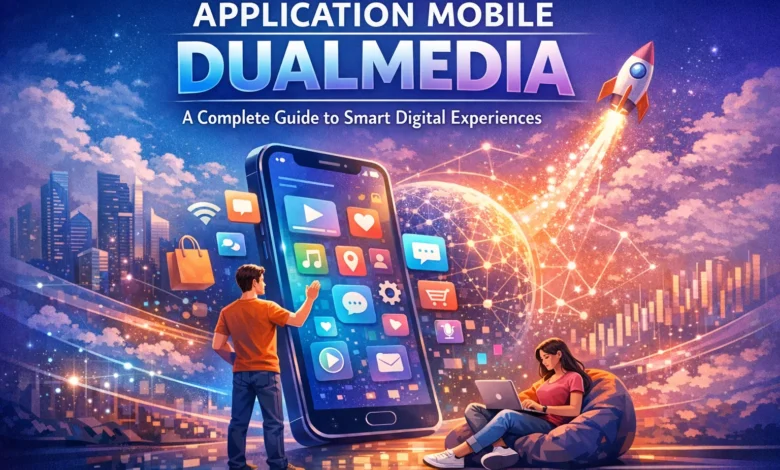
Application Mobile Dualmedia: A Complete Guide to Smart Digital Experiences
In today’s fast-moving digital world, the application mobile dualmedia concept is changing how people use apps on their phones. From watching videos to browsing social media and playing games, users now expect everything to be fast, smooth, and connected. That’s where application mobile dualmedia comes in it blends different types of media into one powerful mobile experience.
This article will help you understand everything about application mobile dualmedia in simple and clear language. Whether you are a student, a beginner, or someone curious about technology, you’ll find this guide easy to follow and full of useful information.
What Is Application Mobile Dualmedia?
The term application mobile dualmedia refers to mobile apps that use two or more types of media together. These media types include:
- Text
- Images
- Audio
- Video
- Interactive content
Instead of using just one type of content, these apps combine them to create a richer and more engaging user experience.
For example, think about a learning app where you read text, watch videos, and listen to audio explanations all in one place. That’s a perfect example of application mobile dualmedia.
Why Application Mobile Dualmedia Is Important
Let’s face it people get bored easily. If an app only shows text, users might lose interest quickly. But when apps use videos, sounds, and visuals together, they become more fun and useful.
Here’s why application mobile dualmedia matters:
- It improves user engagement
- It makes learning easier
- It supports different learning styles
- It creates a modern user experience
- It helps businesses grow faster
In short, it makes apps smarter and more enjoyable.
Key Features of Application Mobile Dualmedia
Modern apps that follow the application mobile dualmedia concept usually include several important features. These features help improve the overall performance and user satisfaction.
Multimedia Integration
Apps combine different media types like video, audio, and text.
Interactive Design
Users can click, swipe, and interact with content easily.
Real-Time Updates
Content updates quickly without needing to reload the app.
Cross-Platform Support
Apps work smoothly on Android, iOS, and other devices.
User-Friendly Interface
Simple design that anyone can use without confusion.
Types of Application Mobile Dualmedia Apps
There are many types of apps that use the application mobile dualmedia approach. Let’s explore some common categories.
Educational Apps
These apps use videos, text, and quizzes to teach students.
Entertainment Apps
Streaming platforms combine video, audio, and recommendations.
Social Media Apps
Users share photos, videos, and text posts together.
Gaming Apps
Games include sound effects, animations, and interactive controls.
Business Apps
Used for meetings, presentations, and communication.
How Application Mobile Dualmedia Works
Now you might be wondering, “How does application mobile dualmedia actually work?”
Well, it’s quite simple when broken down.
Step-by-Step Process
- The app collects different media types (text, video, audio)
- It stores them in a database or cloud system
- The app uses software tools to display the content
- Users interact with the content in real-time
Developers use technologies like APIs, cloud storage, and multimedia frameworks to make everything run smoothly.
Benefits of Application Mobile Dualmedia
There are many advantages of using application mobile dualmedia, both for users and developers.
For Users
- Better learning experience
- More engaging content
- Easy access to information
- Improved entertainment value
For Developers
- Higher user retention
- Increased app downloads
- Better user feedback
- Competitive advantage in the market
Challenges in Application Mobile Dualmedia
Even though application mobile dualmedia is powerful, it does come with some challenges.
Common Problems
- High data usage
- Slow performance on older devices
- Complex development process
- Storage issues
Solutions
- Optimize media files
- Use cloud storage
- Test apps on different devices
- Keep the design simple
By solving these problems, developers can create better and faster apps.
Technologies Used in Application Mobile Dualmedia
Behind every great app is strong technology. The application mobile dualmedia system uses many tools and technologies.
Important Technologies
- HTML5 and CSS3
- JavaScript frameworks
- Mobile development tools (like Flutter or React Native)
- Cloud services
- APIs for media integration
These technologies help apps run smoothly and deliver high-quality content.
Comparison Table: Traditional Apps vs Application Mobile Dualmedia
| Feature | Traditional Apps | Application Mobile Dualmedia |
|---|---|---|
| Media Type | Single (mostly text) | Multiple (text, audio, video) |
| User Engagement | Low | High |
| Interactivity | Limited | Advanced |
| Learning Experience | Basic | Enhanced |
| Performance | Simple | Optimized but complex |
This table clearly shows how application mobile dualmedia improves modern apps.
Best Practices for Application Mobile Dualmedia Development
If you want to create a successful application mobile dualmedia, here are some best practices to follow:
Keep It Simple
Avoid overloading the app with too many features.
Optimize Media
Compress images and videos to reduce loading time.
Focus on User Experience
Make sure the app is easy to use and navigate.
Test Regularly
Check the app on different devices and screen sizes.
Ensure Security
Protect user data and privacy at all times.
Future of Application Mobile Dualmedia
The future of application mobile dualmedia looks very bright. With new technologies like Artificial Intelligence (AI) and Augmented Reality (AR), apps will become even more interactive.
Future Trends
- AI-based content recommendations
- Voice-controlled apps
- Virtual and augmented reality integration
- Faster internet with 5G technology
These trends will make apps smarter and more user-friendly.
Real-Life Examples of Application Mobile Dualmedia
To understand better, let’s look at some real-life examples:
Learning Apps
Apps that combine video lessons, audio explanations, and quizzes.
Streaming Apps
Platforms where users watch videos, listen to music, and read descriptions.
Social Platforms
Apps where users share text, images, and videos together.
These examples show how application mobile dualmedia is already part of our daily lives.
Tips for Beginners to Understand Application Mobile Dualmedia
If you are new to this topic, don’t worry! Here are some easy tips:
- Start by using popular apps and observe how they work
- Learn basic coding and app development
- Watch tutorials and online courses
- Practice creating simple apps
With time, you’ll get a better understanding of application mobile dualmedia.
Common Mistakes to Avoid
When working with application mobile dualmedia, people often make some mistakes.
Avoid These Errors
- Using too much media, making the app slow
- Ignoring user experience
- Not testing the app properly
- Poor design and layout
Fixing these mistakes can greatly improve app quality.
Conclusion: Why Application Mobile Dualmedia Matters Today
To wrap things up, application mobile dualmedia is a powerful concept that is shaping the future of mobile apps. It combines different media types to create a rich, engaging, and interactive experience for users.
From education to entertainment, this approach is being used everywhere. It helps users learn better, enjoy more, and stay connected in a smarter way.
As technology continues to grow, the importance of application mobile dualmedia will only increase. So, whether you are a developer, student, or tech lover, understanding this concept will surely benefit you in the long run.
In the end, one thing is clear application mobile dualmedia is not just a trend, it’s the future of mobile applications.
You may also read
Buy Bigussani: A Complete and Friendly Guide for Smart Shoppers