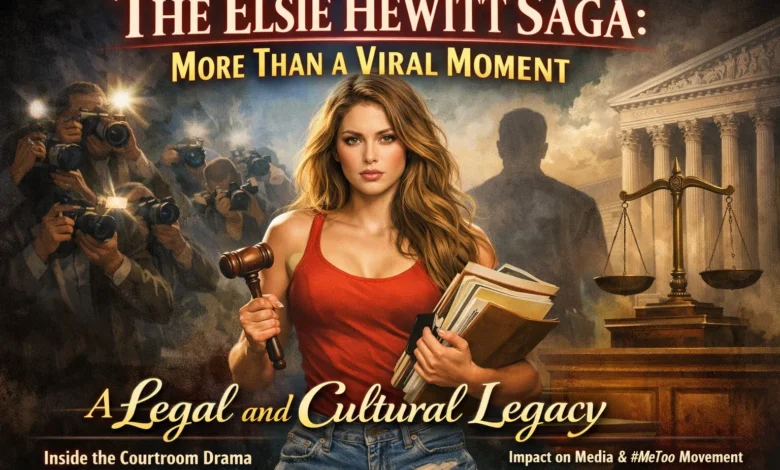
The Elsie Hewitt Saga: More Than a Viral Moment A Legal and Cultural Legacy
Elsie Hewitt: In the ever-churning ocean of internet fame, where names trend for a day and are forgotten by the next, the story of Elsie Hewitt stands apart. To many, she first flashed across the collective consciousness as a model at the center of a sensational, highly publicized lawsuit. Yet, to reduce her narrative to a mere legal headline is to miss the profound journey of a young woman who inadvertently became a case study in the collision of social media celebrity, personal agency, and the often brutal mechanics of modern fame.
Elsie Hewitt is not just a plaintiff or a former Instagram star; she is a symbol of a specific moment in digital culture, a participant in a precedent-setting legal battle, and a person navigating the complex aftermath of viral notoriety. Her experience forces us to ask difficult questions about privacy, ownership, and the price of visibility in an age where attention is the ultimate currency. This article delves deep into the multifaceted legacy of Elsie Hewitt, exploring her rise, the lawsuit that defined her public persona, its far-reaching implications, and where she stands today, offering a nuanced portrait that goes far beyond the clickbait.


From Aspiring Model to Internet It-Girl
Long before court documents and legal jargon framed her story, Elsie Hewitt was, by all accounts, a young woman building a life in the glamorous and competitive world of Los Angeles. With striking looks and an affinity for the camera, she naturally gravitated towards modeling and acting. Like thousands of others in the city, she pursued opportunities, attended events, and worked to make connections.
However, Elsie Hewitt possessed an asset that was becoming increasingly valuable in the mid-2010s: a keen understanding of social media aesthetics and personal branding. Her Instagram account transformed from a personal photo album into a curated portfolio, a window into a life of sun-drenched beaches, chic outfits, and enviable social circles. She wasn’t just posting pictures; she was crafting an aspirational identity.
This strategic curation paid off. Elsie Hewitt began to amass a significant following, landing on the radar of brands and influencers. She secured modeling gigs, promotional deals, and a spot within the loosely defined group of LA’s “It-Girls.” Her life, as presented online, was a textbook example of influencer success in the making. She was leveraging her image and persona to build a career, a perfectly normal and encouraged practice in the digital economy. Yet, this very success—the visibility and recognition she cultivated—would soon become the focal point of a devastating personal and legal conflict. The platform that propelled her would also be the stage for her most public struggle.
The Lawsuit That Captivated a Nation
The turning point in the public narrative of Elsie Hewitt arrived with a lawsuit. In 2017, she filed a civil complaint that would spiral into a media spectacle, details of which were splashed across tabloids and entertainment news outlets. The suit alleged a traumatic incident involving a prominent figure, a television host and comedian. The core of Elsie Hewitt’s legal claim was one of assault and battery, a serious personal injury allegation. However, intertwined with these personal injury claims were other elements that would become central to the public’s fascination and the case’s legal complexity: defamation and the intentional infliction of emotional distress.
The case quickly became a “he said, she said” drama played out in the court of public opinion long before it would see a courtroom. Media coverage was intense and often lurid, dissecting every detail from social media posts to past relationships. Elsie Hewitt, who had willingly shared so much of her life online, now found every aspect of it under a microscope, often framed in unflattering or invasive ways. The lawsuit was no longer just a private legal matter; it was a public narrative about fame, credibility, and the vulnerabilities of a young woman in the entertainment industry. The pressure was immense, and the personal toll on Elsie Hewitt, as she would later allude to, was significant.
What made this lawsuit particularly emblematic of its time was its intersection with the burgeoning #MeToo movement, which gained global momentum in late 2017. While Elsie Hewitt’s case was not part of the organized movement, it unfolded in the same cultural atmosphere—one that was increasingly receptive to women speaking out about abuse of power and trauma. Her decision to pursue legal action was seen by many as an act of courage within this new context, while also subjecting her to the fierce backlash and scrutiny that often accompanies such accusations against powerful men. The case became a lightning rod for discussions far beyond the individuals involved.
A Landmark Battle Over Publicity Rights
While the assault allegations were the emotional heart of the case, a separate but equally groundbreaking legal battle emerged from the fallout: Elsie Hewitt’s lawsuit against the media giant. This case would pivot from personal injury to the very commercial nature of her identity. After the initial incident made news, a prominent celebrity news website published an article about Elsie Hewitt and the lawsuit. The controversy arose from their use of her Instagram photos without permission. Elsie Hewitt and her legal team argued this wasn’t merely reporting; it was commercial misappropriation.
Her claim centered on her “right of publicity”—a legal doctrine that protects an individual’s right to control and profit from the commercial use of their name, image, and likeness. Elsie Hewitt’s argument was profound for influencers and content creators: she had built a career on her image. Her Instagram was not just a social page; it was a professional asset. By using her photos to drive clicks and ad revenue for their own article about her traumatic experience, the website, she alleged, was profiting from her identity without consent or compensation. This wasn’t just about privacy; it was about theft of a business commodity.
The defense, a common one in media law, was newsworthiness. They argued that Elsie Hewitt was a public figure involved in a newsworthy event, and using her publicly available Instagram photos was protected under the First Amendment. The stage was set for a classic clash: freedom of the press versus an individual’s right to control their commercial persona. The outcome of this battle would send ripples through the entire digital content industry, clarifying the rules for media outlets reporting on the lives of internet-era celebrities. It forced a legal reckoning with a simple question: when does a person’s online life become free game for profit?

The Cultural Impact of the Case
The saga of Elsie Hewitt transcended the legal dockets to become a cultural artifact, reflecting and amplifying several key anxieties of the digital age. Firstly, it laid bare the precarious nature of influencer fame. One day, you are curating a brand; the next, your image is being used to narrate a story of trauma and scandal, often beyond your control. Elsie Hewitt’s experience served as a stark cautionary tale for a generation building careers on personal branding. It highlighted how quickly the tools of success could be turned against you, how a cultivated online identity could be hijacked by external narratives.
Secondly, the case became a central text in ongoing debates about victim-blaming and media scrutiny. The coverage of Elsie Hewitt often focused on her lifestyle, her past, and her appearance—tactics long used to discredit women who make accusations. This public dissection sparked conversations about how society treats young women in the spotlight who come forward with allegations, particularly when they don’t fit a preconceived, “perfect victim” mold. Her ordeal demonstrated that while cultural tides might be shifting, old, damaging patterns of public judgment remained stubbornly entrenched.
Furthermore, the legal wrangling over her Instagram photos forced a mainstream audience to confront the blurred lines between public and private life in the social media era. It challenged the simplistic notion that “if you post it online, it’s public domain.” Elsie Hewitt’s fight argued for nuance: that public figures, especially those whose commerce is their image, retain a layer of rights over how that image is commercially exploited, even in news contexts. This nuanced debate entered living rooms and Twitter feeds, making concepts like “right of publicity” relevant to everyday social media users.
Where Is Elsie Hewitt Now?
In the years following the settlement of her lawsuits, Elsie Hewitt has intentionally stepped back from the relentless public spotlight that once defined her. This retreat is, in itself, a powerful statement. After an experience that involved such intense scrutiny and personal challenge, her move towards privacy is a reclaiming of agency. While her public social media presence diminished, reports and glimpses suggest a life rebuilt on different terms—focused on personal well-being, closer relationships away from the industry glare, and perhaps private professional pursuits.
This chapter of her story is crucial to understanding the full arc of Elsie Hewitt’s experience. The narrative doesn’t end with a legal settlement; it continues with the quieter, more profound work of recovery and redefinition. Her current life stands in contrast to the highly publicized drama, highlighting the very human need for peace and normalcy after a storm. For many followers of her story, this choice resonates deeply. It underscores that behind the viral headlines and legal precedents was a real person navigating the aftermath, making choices to protect her peace—a final, powerful assertion of control over her own narrative.
Her legacy, therefore, is not one of constant visibility but of strategic withdrawal. It’s a reminder that fame is a choice, and stepping away from it can be the ultimate act of self-preservation. Elsie Hewitt demonstrated that it is possible to be at the absolute center of a media hurricane and then chart a course to its quiet edge, setting a different kind of example for those who come after.
The Lasting Legal Precedents
While Elsie Hewitt may value her privacy today, the legal marks left by her cases are publicly indelible and continue to influence both media law and influencer contracts. The lawsuit against the media outlet, though settled, sent a clear warning shot across the bow of digital publishers. It established that simply labeling someone a “public figure” does not grant an automatic, unlimited license to use their personal content for commercial gain, especially when that content is the cornerstone of their livelihood.
The potential outcomes of the case spurred many media organizations to re-evaluate their policies regarding the use of social media photos in news stories. The table below outlines the key shifts in understanding prompted by this legal battle:
| Legal Concept Before Elsie Hewitt Case | Nuanced Understanding After the Case |
|---|---|
| Social media photos are “public” and free to use for news. | Even public photos may require analysis of commercial purpose vs. transformative, editorial use. |
| Involvement in a news story voids image rights. | Newsworthiness is a defense, but not an absolute shield against right-of-publicity claims. |
| An influencer’s career is separate from news reporting. | Courts may recognize that an influencer’s image is their business, complicating “commercial use.” |
This legal friction has made attorneys and agents for influencers more vigilant. Contracts now more explicitly define image rights, and cease-and-desist letters for unauthorized use have sharper teeth, often citing the principles argued in Elsie Hewitt’s litigation. As one legal commentator noted, “The Hewitt case, even settled, put the industry on notice. It drew a line in the sand that many didn’t realize was there, making it clear that the commercial value of a digital identity must be respected.” This legacy ensures that her name is still referenced in law offices and content meetings, a permanent fixture in the evolving rulebook of the digital age.
Conclusion
The story of Elsie Hewitt is a complex tapestry woven from threads of ambition, trauma, legal innovation, and cultural shift. It is not a simple parable of victory or defeat, but a nuanced chronicle of a person caught in the gears of the modern fame machine. From her rise as a savvy Instagram model to her central role in a national news scandal and a landmark legal dispute, Elsie Hewitt became an unwilling protagonist in a story about the dark side of digital celebrity.
Her experiences forced the legal system to grapple with the new economic reality of the influencer, and her personal struggle held a mirror up to society’s often cruel treatment of women in the public eye. Today, her choice for a quieter life is the final, powerful chapter in that story—a reclamation of self. The legacy of Elsie Hewitt endures not in trending topics but in court citations, in more careful media practices, and in the mindful awareness of anyone who builds a brand from their own image. She remains a poignant reminder that behind every viral story is a human being, and that the rights to one’s own name and narrative are perhaps the most valuable things of all.
Frequently Asked Questions About Elsie Hewitt
What was Elsie Hewitt most known for?
Elsie Hewitt became widely known for two interconnected reasons. First, she was a model and social media influencer who had cultivated a significant online following. Second, and more prominently, she became a central figure in a high-profile lawsuit alleging assault against a well-known television host. This legal battle, and a subsequent separate lawsuit she filed against a media outlet for using her Instagram photos without permission, catapulted her into national headlines and defined her public persona for a time.
What was the significance of Elsie Hewitt’s lawsuit against the media outlet?
The lawsuit filed by Elsie Hewitt against the celebrity news website was legally significant because it aggressively tested the boundaries of “right of publicity” in the digital age. She argued that the outlet’s use of her Instagram photos in an article about her traumatic lawsuit was a commercial misappropriation of her image, as her likeness was her professional product. The case highlighted the tension between news reporting rights and an influencer’s right to control the commercial use of their identity, setting important informal precedents that made media companies more cautious.
How did the Elsie Hewitt case relate to the #MeToo movement?
While Elsie Hewitt’s lawsuit was not formally part of the organized #MeToo movement, it unfolded concurrently with the movement’s rise in late 2017 and 2018. Her decision to publicly pursue legal action against a powerful figure resonated with the cultural moment where women were speaking out about abuse and mistreatment. Her case was often discussed within this broader context, subjecting her to both the supportive energy of the time and the intense, often victim-blaming scrutiny that such allegations frequently provoke.
What is Elsie Hewitt doing now?
Following the settlements of her legal cases, Elsie Hewitt has largely retreated from public life and the influencer spotlight. She maintains a notably lower profile on social media and has chosen to focus on her personal life and well-being out of the public eye. This move towards privacy is widely seen as a conscious choice to reclaim her narrative and peace after a period of extreme media scrutiny and personal challenge.
Why is Elsie Hewitt’s story important for influencers and content creators today?
The story of Elsie Hewitt serves as a critical case study for modern influencers. It underscores the vulnerabilities of building a career on a personal brand, demonstrating how quickly one’s own image can be co-opted and commercialized by others during a crisis. Her legal fight emphasizes the importance of understanding one’s right of publicity and has led to more robust contract language and greater awareness within the industry about protecting the commercial value of one’s name, image, and likeness.
You may also read
The Visionary World of Thomas Skinner: A Deep Dive into the Mind of a Modern Entrepreneur