Understanding the Future of NATO War with Russia: A Deep and Thoughtful Exploration
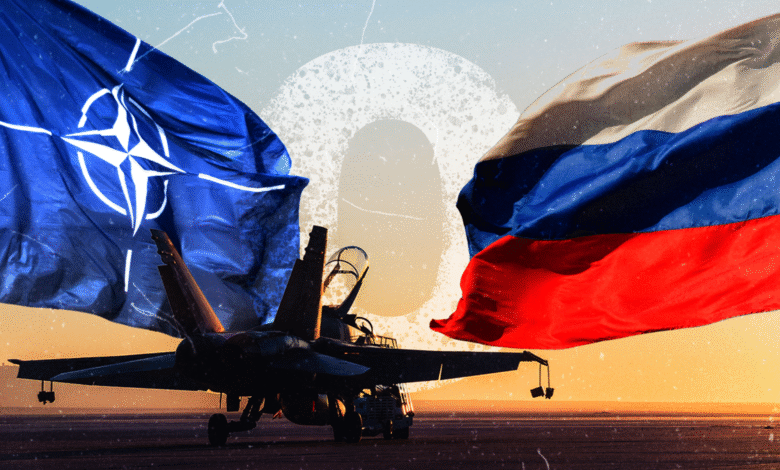
NATO War with Russia: The topic of NATO’s war with Russia captures attention, concern, curiosity, and debate across the world. When people talk about NATO’s war with Russia, they are referring to a complex set of historical relationships, strategic alliances, military postures, political tensions, and future uncertainties.
It is a subject that cannot be reduced to simple slogans or quick summaries, because NATO’s war with Russia touches on the core of global security, sovereignty, diplomacy, national identity, and the very human desire for safety and stability. In this article, we will unravel the many layers of NATO’s war with Russia, looking at how history built the context, how strategy shapes current behavior, how politics influences decision-making, how citizens feel about this potential conflict, and what the future might hold if NATO’s war with Russia remains a defining part of global geopolitics.

What Do We Mean by NATO, Russia, and Their Tense Relationship?
Before diving into the heart of NATO’s war with Russia, it is crucial to define the actors involved. NATO, the North Atlantic Treaty Organization, is a collective defense alliance formed after a devastating global conflict with the idea that peace is best maintained when member states agree that an attack on one is an attack on all. Russia, in turn, sees itself as a historic power with a deep cultural memory of invasion, revolution, and a complex relationship with the West. The phrase NATO war with Russia encapsulates the tension between a military alliance that has expanded eastward and a powerful nation that often perceives that expansion as a threat. These perceptions – and misperceptions – set the stage for the geopolitics at the center of NATO’s war with Russia.
The very mention of NATO’s war with Russia ignites an image. For some, it is a fear of tanks rolling across borders or missiles flying through the sky. For others, it is a political fiction used to justify defense spending or ideological positioning. The reality is far more nuanced. The dynamic of NATO’s war with Russia represents competing visions of security and influence. NATO emphasizes collective defense and democratic values. Russia emphasizes sovereignty, historical spheres of influence, and strategic depth. When these visions collide, NATO’s war with Russia becomes not just a theoretical conflict but a lived concern for diplomats, soldiers, and citizens alike.
Understanding these underlying motivations helps to demystify NATO’s war with Russia and allows us to look beyond headlines. It moves the conversation from fear toward analysis. That kind of shift is necessary if we are to honestly confront what NATO’s war with Russia means for the world we share.
Historical Roots of Tension Between NATO and Russia
To make sense of NATO’s war with Russia, one must look at history. The alliance now known as NATO emerged in the shadow of a world war that left millions dead and continents in ruin. The core idea was collective defense so that no single nation could unilaterally threaten the peace again. Russia, then part of the Soviet Union, was on the opposite side of the emerging Cold War. Thus, the seeds of NATO’s war with Russia were planted long before either side ever considered the possibility of full-scale conflict.
Throughout the latter half of the twentieth century, NATO and the Soviet Union engaged in strategic competition that shaped global politics. The collapse of the Soviet Union did not end debates about NATO’s war with Russia. Instead, it transformed them. With the Warsaw Pact dissolved, NATO found new roles in peacekeeping and crisis response. Meanwhile, Russia grappled with internal transformation and redefined its own sense of security. The concept of NATO’s war with Russia shifted with each new political cycle, with NATO expanding eastward as former Soviet states sought protection, while Russia interpreted expansion as strategic encirclement.
By the time the twenty-first century had matured, NATO’s war with Russia was no longer an abstract phrase but a tangible set of policies, actions, and reactions shaping relations across Europe and beyond. Events in Georgia and later Ukraine brought the reality of nato war with Russia into sharp relief, renewing conversations about deterrence, defense, and diplomacy. These historical experiences underscore that the concept of NATO’s war with Russia cannot be understood outside the long arc of global power politics.
Strategic Interests: Why NATO and Russia Act the Way They Do
At the center of the NATO war with Russia are strategic interests. For NATO members, the alliance offers security through collective defense. It symbolizes unity against threats and provides a framework for cooperation. For Russia, strategic interest is about maintaining influence, protecting borders, and responding to what it perceives as Western encroachment. These priorities shape how each side interprets the other’s actions, leading to tensions encapsulated in the phrase NATO war with Russia.
NATO’s strategic logic is rooted in deterrence, meaning that the alliance seeks to discourage aggression by ensuring any would-be attacker knows it would face an overwhelming collective response. From NATO’s perspective, the idea of a NATO war with Russia is one to avoid, yet prepare for through readiness. For Russia, strategy is grounded in the defense of its western approaches. Memories of invasion during world wars and civil conflict inform modern thinking. When NATO includes former Soviet republics or partners, Russia may view this as aggressive, and thus, a NATO war with Russia becomes a narrative of resistance to perceived containment.
These strategic interests also play out in military deployments, intelligence operations, and diplomatic engagements. When NATO conducts exercises in Eastern Europe, discussions emerge about NATO’s war with Russia. When Russia moves forces near contested borders, concerns rise about escalation into a NATO war with Russia. Navigating these strategic realities requires careful analysis. It’s a balance of sending signals while avoiding miscalculations that could actualize the very conflict both sides claim to oppose.
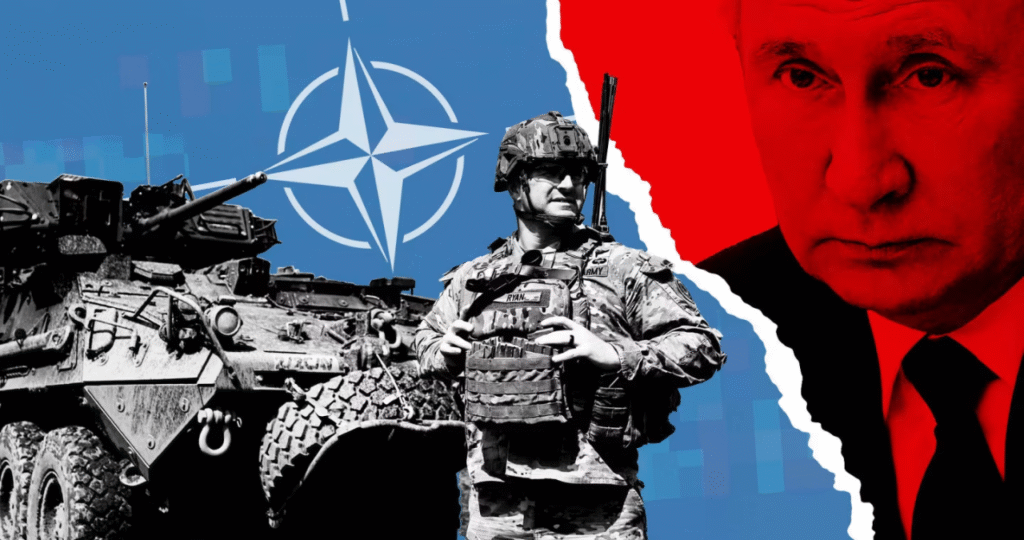
Political Narratives and Public Perceptions
Political narratives significantly shape how societies perceive NATO’s war with Russia. Leaders use language to frame threats and justify policies. In NATO capitals, officials often emphasize unity, defense of democratic values, and preparedness in the face of adversaries. In Moscow, political rhetoric may emphasize sovereignty, historical pride, and resistance to what is portrayed as Western aggression. Both narratives feed into public perception, which can amplify fears about NATO’s war with Russia.
In many countries, media coverage also influences how people think about the NATO war with Russia. Sensational headlines and dramatic commentary can create a sense that war is imminent, even when diplomatic efforts aim to reduce tensions. Social media accelerates these perceptions, enabling misinformation and mistrust to spread with unprecedented speed. When citizens believe that a NATO war with Russia confrontation is not just possible, but likely, it affects political discourse, voting behavior, and national priorities.
Public perceptions are not monolithic. Some populations view NATO as essential for peace, while others criticize it as provocative. Likewise, attitudes toward Russia vary by region and historical experience. In some Eastern European countries, memories of Soviet domination make the idea of NATO’s war with Russia deeply personal. In other parts of the world, skepticism about Western alliances may reduce the salience of NATO’s concerns about war with Russia. Understanding these diverse narratives helps explain why discussions about NATO’s war with Russia are charged with emotion and complexity.
Military Posture, Exercises, and Signaling
Military posture is a core component of NATO’s war with Russia dynamics. Positioning troops, conducting exercises, and deploying equipment are all ways that NATO and Russia signal intentions and capabilities. These actions can serve deterrent purposes, but they also risk being misinterpreted. When NATO conducts maneuvers near Russia’s borders, Russian officials may describe such actions as provocative, reinforcing the narrative of NATO’s war with Russia tension. Conversely, when Russia moves forces near NATO allied territory, alliance members interpret it through the same lens.
The frequency and scale of military exercises have increased in recent years, reflecting heightened alertness among both NATO and Russia. These exercises are designed to prepare forces for a range of scenarios, but they also serve as messages to the other side about readiness and resolve. As forces engage in these practices, analysts track them for signs of escalation or de-escalation in the broader context of nato war with Russia tensions.
The danger in military signaling lies in misunderstanding. When one side perceives defensive actions as offensive threats, escalation can occur even without intent. This is why communication channels, hotlines, and diplomatic exchanges are essential for minimizing the risk that nato war with Russia tension spirals into active hostilities. Military posture reflects both strength and stress in international relations, and nowhere is that clearer than in the ongoing conversation about NATO’s war with Russia.
Economic and Human Costs of Tension
The possibility of a NATO war with Russia has economic implications. Defense spending increases as countries prepare for potential conflict. Resources that might otherwise support social programs or infrastructure are allocated to military readiness. Trade disruptions can occur when sanctions or countermeasures are enacted in response to perceived aggression. These economic consequences ripple through global markets, affecting ordinary citizens far from the frontlines.
For individuals and families, the human cost of prolonged tension over the NATO war with Russia cannot be discounted. Even in the absence of open conflict, anxiety about safety, disruptions to daily life, and political polarization can take a psychological toll. Communities near borders may feel direct pressure from military activities or refugee flows. The fear of war, whether grounded in reality or perception, influences personal plans, migration decisions, and trust in institutions.
When economic and human costs are taken together, it becomes clear that NATO’s war with Russia is not just a phrase for diplomats and analysts. It is a lived experience with real-world consequences. Understanding these costs can help societies make informed choices about how they engage with security alliances, how they interpret threats, and how they work toward peace.
Diplomacy and Conflict Prevention
Amid discussions of NATO’s war with Russia, diplomacy plays a central role. Diplomatic engagement seeks to reduce misunderstanding, build trust, and create frameworks for crisis management. International organizations, bilateral talks, and multilateral agreements serve as platforms for negotiation. When diplomacy is effective, it can defuse tensions that might otherwise contribute to the escalation of the NATO-Russia conflict.
Confidence-building measures, transparency initiatives, and communication protocols are all part of diplomatic efforts aimed at preventing war. These tools help clarify intentions, set expectations, and provide mechanisms for de-escalation. For example, agreements that limit certain types of weapons or that establish channels for real-time communication can mitigate the risk that nato war with Russia tensions lead to miscalculation.
However, diplomacy is often challenging. Competing interests, domestic politics, and historical grievances can make compromise difficult. Yet, the alternative – allowing nato war with Russia tensions to fester without engagement – risks making conflict more likely. Skilled diplomats work to bridge divides, argue for mutual interests, and remind parties that peace is not the absence of tension but the presence of sustainable understanding.
The Role of Technology in Modern Conflict
Technology has reshaped how we think about NATO’s war with Russia. Cybersecurity threats, artificial intelligence, satellite surveillance, and precision weapon systems all influence strategic calculations. In the digital age, conflict is no longer confined to physical battlefields. Cyber attacks, misinformation campaigns, and data breaches are part of the modern landscape of nato war with Russia tensions.
These technologies create both opportunities and dangers. On the one hand, advances in communication and monitoring can enhance transparency and trust. On the other hand, the speed and anonymity of cyber operations can increase the risk of surprise attacks or unintended escalation. When a major power believes its infrastructure is under threat, responses may be swift, even if the source of the threat is ambiguous. This dynamic makes NATO’s war with Russia discussions about defense more complicated than ever before.
The role of technology also invites ethical and legal questions. What constitutes an act of war in cyberspace? How should alliances like NATO respond if critical infrastructure is targeted? These questions are at the heart of ongoing debate and shape how both NATO and Russia prepare for future conflict scenarios. Understanding these technological dimensions is essential for anyone seeking to make sense of modern nato war russia realities with Russia.
Voices for Peace: Civil Society and Grassroots Movements
Even as governments and militaries grapple with NATO’s war with Russia, voices for peace emerge from civil society. Activists, academics, journalists, and everyday citizens advocate for dialogue, restraint, and mutual respect. These voices often challenge dominant narratives about security and conflict, arguing that cooperation and understanding can reduce the likelihood of war.
Peace movements remind us that NATO’s war with Russia need not be inevitable. They emphasize the shared humanity that connects people across borders and highlight the costs of conflict that are not always visible in strategic analyses. These groups organize cultural exchanges, educational efforts, and public forums to bridge divides and foster empathy. Their work contributes to a deeper understanding of how societies can pursue security without succumbing to fear or hostility.
When grassroots voices are included in discussions about NATO’s war with Russia, policy-making becomes more reflective of diverse perspectives. It opens space for creative solutions that go beyond military responses. While these efforts may not always receive the spotlight, they play a crucial role in shaping the long-term prospects for peace and cooperation.
Looking Ahead: Possible Futures and What They Mean
What does the future hold for NATO and Russia? There are many possibilities, each shaped by decisions made today. One potential future sees continued competition with managed tension, where both sides maintain defense readiness while avoiding direct conflict. Another possibility involves deeper cooperation, perhaps through new diplomatic frameworks that address mutual concerns and reduce the drivers of mistrust. A more troubling future would involve escalation into open confrontation, bringing about the devastating consequences that the phrase nato war with Russia evokes.
Predicting the future is never certain, but analyzing trends can offer guidance. Demographic shifts, economic interdependence, and changes in political leadership all influence how NATO’s war with Russia evolves. Global challenges like climate change and pandemics might also encourage collaboration that transcends old rivalries. The choices made by leaders, informed by public will and historical understanding, will shape how this dynamic unfolds.
Ultimately, the concept of NATO’s war with Russia is a reminder that peace is not automatic. It requires intentional effort, empathy, strategic thinking, and vigilance against the forces that drive conflict. By learning from the past, engaging in honest dialogue, and prioritizing shared security, there remains hope that the story of NATO’s war with Russia will become one of cooperation rather than confrontation.
Conclusion: A Complex Reality Worth Understanding
The phrase NATO war with Russia carries with it weight and meaning that extends beyond simple definitions. It encapsulates historical tensions, strategic interests, political narratives, military postures, economic and human costs, diplomatic efforts, technological developments, civil society voices, and potential futures. To truly understand NATO’s war with Russia is to recognize that global peace is a collective endeavor fraught with challenges but also filled with opportunities for constructive engagement.
As we reflect on NATO’s war with Russia, we are reminded that conflict is not predetermined. It is shaped by choices made by leaders and citizens alike. Through thoughtful analysis, open dialogue, and creative problem-solving, it is possible to imagine a future where fears inspired by NATO’s war with Russia are replaced by confidence in cooperative security. The journey is neither simple nor guaranteed, but it is one worth pursuing for the sake of generations to come.